As the leaves change color and the air gets crisp, there’s no better time to introduce your students to the beauty of Halloween-themed classical music. Classical music can help to capture the essence of this beautiful season, and it can also help to improve your students’ focus, concentration, and creativity.
Why Classical Music for Halloween?
Classical music has a wide range of spooky and haunting sounds. Classical composers have used a variety of musical techniques to create music that evokes the eerie and mysterious atmosphere of Halloween. For example, composers have used dissonant harmonies, sudden changes in tempo, and eerie melodies to create a sense of suspense and dread.
Classical music has a long and rich history of association with Halloween. Many classical composers have written pieces that are specifically intended to be spooky or haunting. For example, Camille Saint-Saëns’ “Danse Macabre” is a famous piece that depicts the dead rising from their graves and dancing on Halloween night.
Instruments take on a new personality at Halloween. The light, pleasant-sounding flute becomes uneasy and mysterious. The violin becomes suspenseful. A cello’s deep, resonant sound creates a sense of foreboding and menace. And the organ? We all know what Bach’s Toccata and Fugue in D Minor has done for Halloween!
Halloween Classical Music Ideas
If you don’t already have a go-to playlist of Halloween-inspired favorites, searching for the right musical selections could be pretty time consuming. We have saved you hours of planning time by curating some of the most iconic pieces of music for these Halloween listening packs!
Here are just a few of our Halloween favorites:
- Sarabande, Haydn
- Waltz No. 2, Shostakovich
- Piano Concerto No. 2 in C Minor, Op. 18, Rachmaninoff
- The Noon Witch, Dvořák
- String Quartet No. 8 in C Minor, Op. 110, Shostakovich
- The Magic Flute (Overture,) Mozart
- Nuages Gris, Liszt
- Cello Sonata No. 1, Brahms
- Dance of the Goblins, Bazzini
- Sonata for Two Violins, Ysaye
- Caprice Op. 1, No. 2, Paganini
- O Fortuna, Orff
But we know you need more than just a playlist. You want your students to be engaged and listening actively. We’ve got you covered there, too!
Benefits of Classical Music Listening Activities
Classical music active listening activities are a great way to improve students’ listening skills, concentration, and appreciation of the arts. These activities can also help students develop their creativity and imagination. Some of the benefits of these activities are:
- increased knowledge of composers from different backgrounds
- familiarity with the composer’s works
- ability to recognize, and engage with, popular pieces of music
- identify different instrument sounds
- social-emotional exploration of feelings and moods within the music
- creative expression by drawing and choosing colors related to a musical theme
- observe seasonal/holiday influences within a composition

You’ll have everything you need for a month of classical music appreciation with 100+ listening activities in this activity vault. You will also receive periodic updates for this resource for free! Keep an eye on your “My Purchases” tab for update notifications.
Social-Emotional Learning
Listening to classical music has been shown to help with self-awareness, empathy, and self-regulation. Since social-emotional learning is essential for children, incorporating classical music into your classroom or homeschool is a great way to support their development.
Talk about the emotions evoked by the selected music. What does the music make them feel? Happy? Sad? Anxious? Peaceful? Help students identify and label their feelings. Ask open-ended questions about the music and encourage students to share their thoughts and feelings.
Discuss the different instruments used in the piece of music. What does each instrument contribute to the overall sound? Encourage students to make up a story based on the music. What is happening in the story? Who are the characters? Where does it take place?
While listening, students can draw a picture or scene that comes to mind. What colors are used? What shapes? Why?
Free Lifetime Updates
Our Spookiest Halloween Bundle is a “vault” of activities. Not only do you get all of the resources currently included, but you’ll also receive access to any periodic updates for free! This is a great way to stretch your budget and really extend your use of these activities for many years to come.



What’s in the Spookiest Halloween Bundle?
You can preview the current Halloween offerings below!
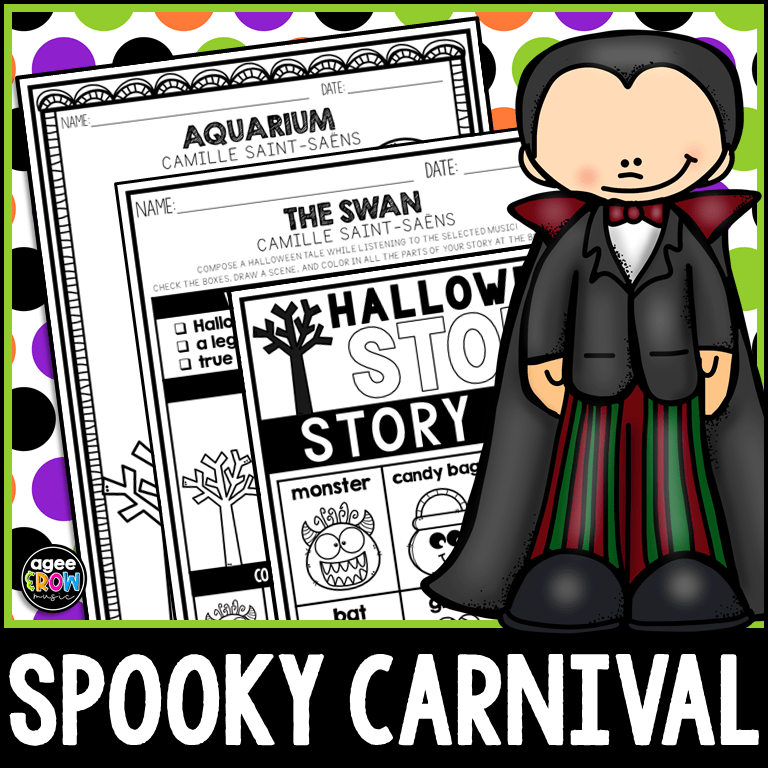
Do you need fun and engaging classical music activities? This listening pack features Carnival of the Animals by Saint-Saëns with a spooky twist! Experience the magical notes of Saint-Saëns’s “Aquarium” and the soothing strings of “The Swan” with a Halloween theme! (29 pages)
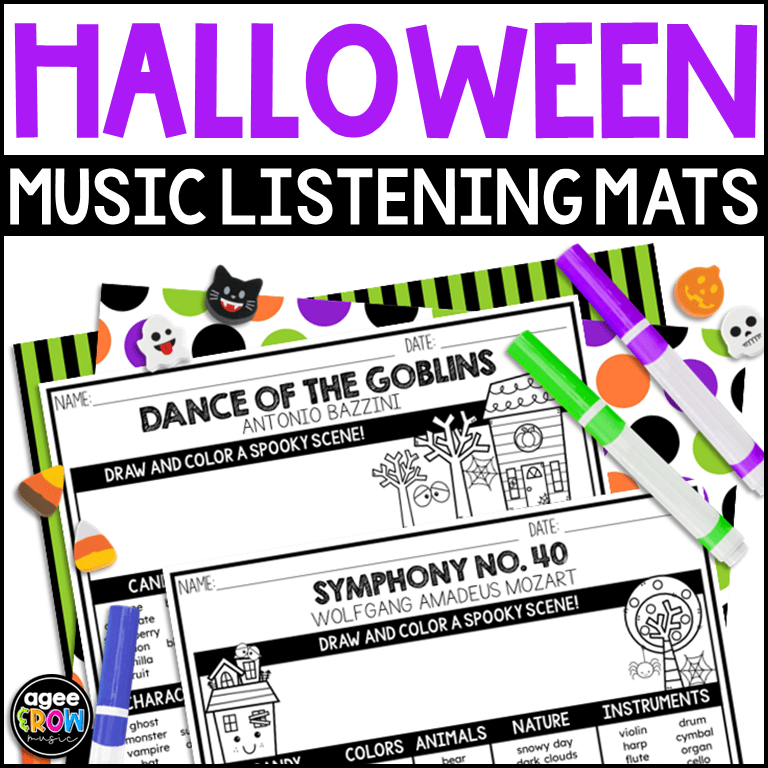
Halloween Classical Music Listening Mats are fun and interactive listening activities for students. There are ten different listening mat designs with scenes that students can color. (53 pages)

Classical Halloween Story listening sheets combine music appreciation with a spooky theme! Students compose their haunted tale by choosing the setting, characters, and familiar Halloween objects inspired by the music. Discuss and display for further engagement! (21 pages)

Do you need fun and engaging classical music activities? Experience Gustav Holst’s “The Planets!” with a spooky Halloween theme! Each musical composition represents a different planet. Later additions by Leonard Bernstein and Jun Nagao are also included. (21 pages)
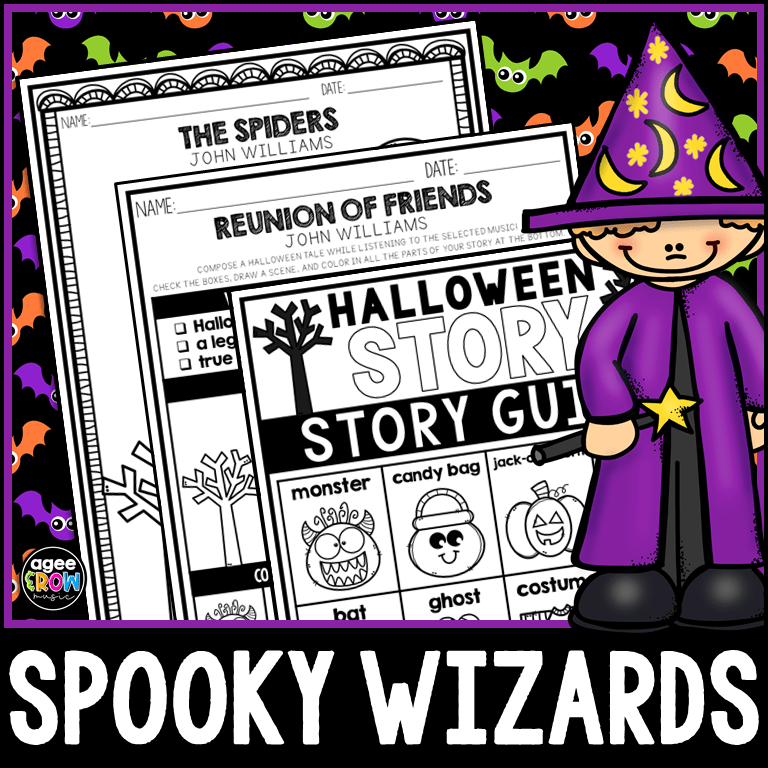
Do you need engaging classical music activities? Spooky Wizards features wand-waving and magical music with mayhem-inspired compositions! (21 pages)

“This was a great resource that I used in our music history lessons.” – Carolyn
Finding good Halloween music can be tricky, but we’ve made it easy! Learn about the music of great composers, such as Beethoven, Bach, and Brahms, with Halloween music that will be a hit with your class! (86 pages)

Students compose their haunted tale by choosing the setting, characters, and familiar Halloween objects inspired by the music. There’s also a drawing box for students to capture a scene from their imaginations. Discuss and display for further engagement! (21 pages)
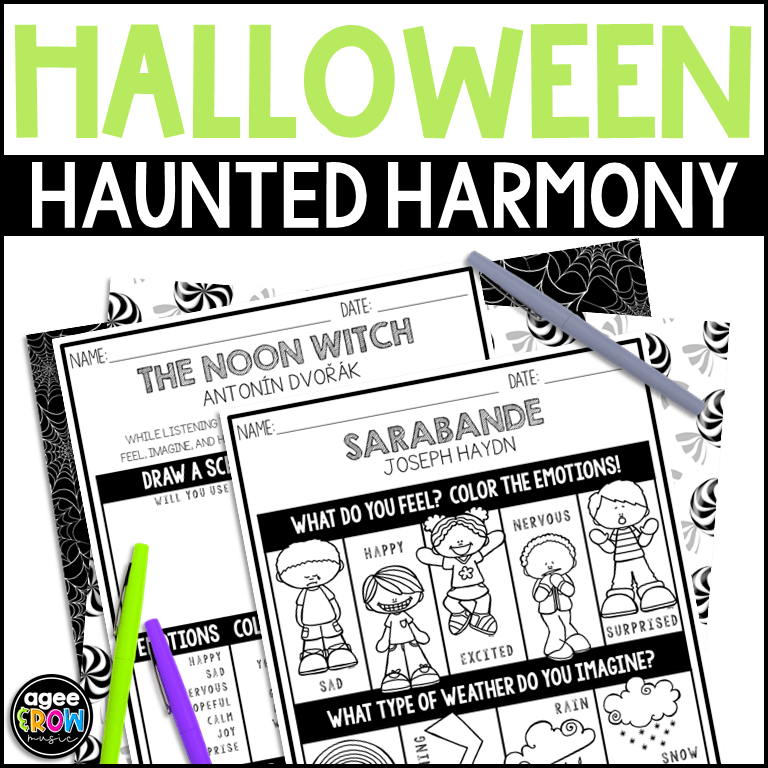
This Halloween music activity pack is a valuable resource for teachers who want to implement classical music appreciation in their classrooms. It is a great way to introduce students to classical music and to help them develop a lifelong appreciation for the arts. (54 pages)

“I used this for Halloween SEL. My students enjoyed the creativity of the activity.” – Retta
Do you need engaging Halloween activities or music sub plans? These printable listening sheets offer creative ways for students to learn more about the spooky tones of Halloween music! (12 pages)
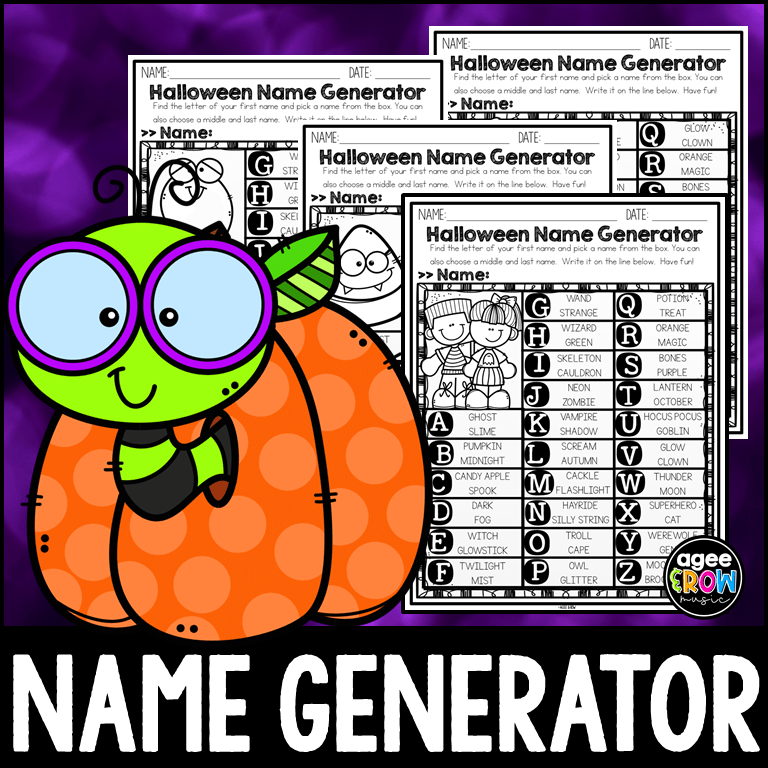
Just print & play! Students use their initials to “generate” their new spooky Halloween name. The sillier the better! There are two choices in each letter box for plenty of variety. Each name generator sheet is slightly different for mixing & matching. They can use their Halloween names on spooky name tags, hats, or to label their desks! (4 pages)

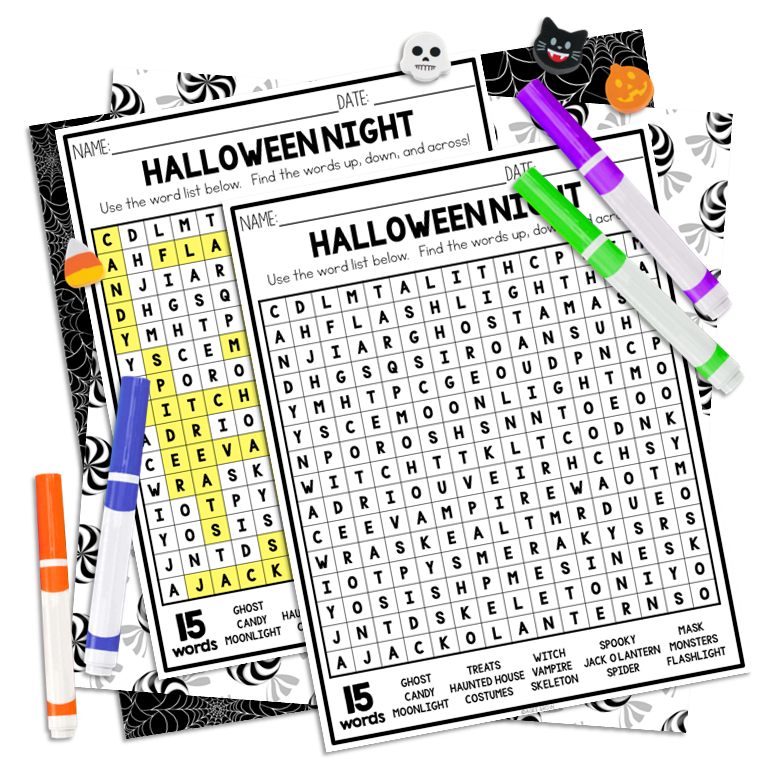
No Prep! Word search activities offer many benefits for students. They can help students learn new vocabulary, improve spelling skills, and develop problem-solving abilities. These word search activities are great for reviewing concepts in a fun and challenging way! Word search activities also make engaging brain breaks and bell-ringers. (1 page + answer key)

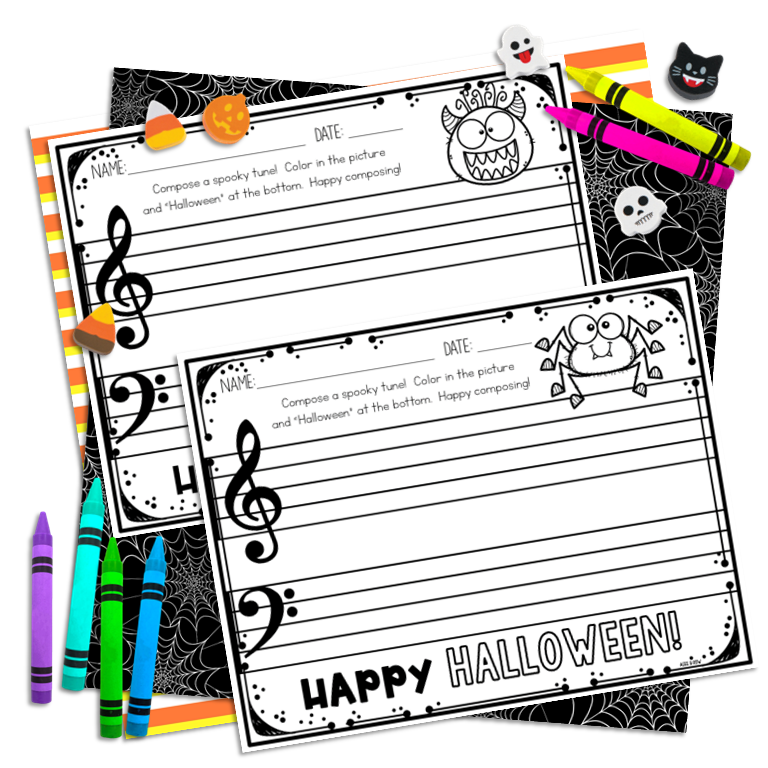
Do you need fun and engaging Halloween music activities? Designed with the youngest composers in mind – these blank manuscript pages allow students to compose their own pieces! Draw the music notes or use small stickers to piece together a classical composition. Treble & bass clef tracing sheets are also included. (14 pages)
“I ended up using this with all of my students and got some really creative scenes!” – Melanie
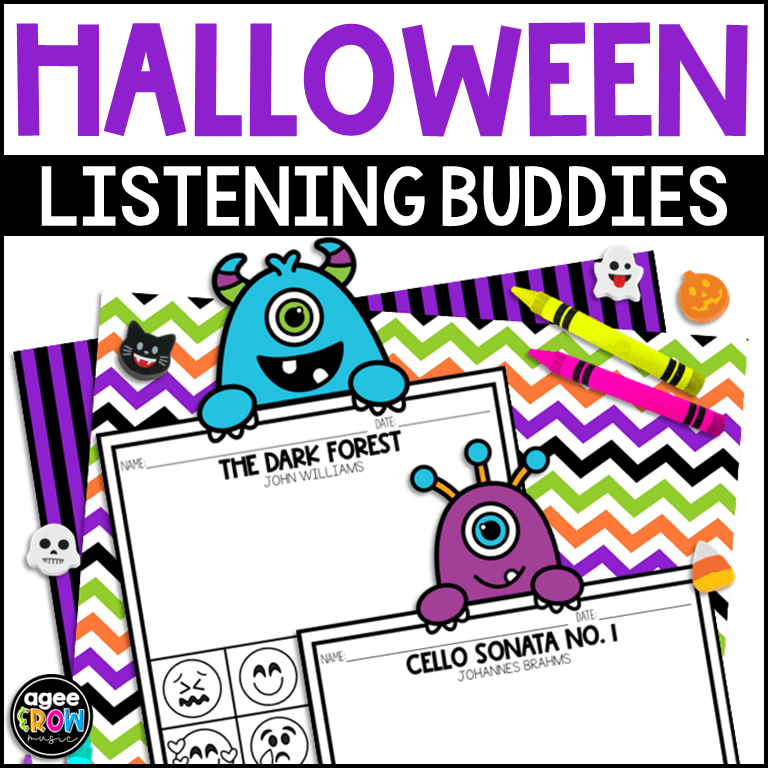
Listening Buddies sheets feature a piece of classical music with the composer’s name. While the music plays, students draw a scene in the box inspired by the music. They can also explore the feelings and mood of a piece by coloring the emojis that match their listening experience.
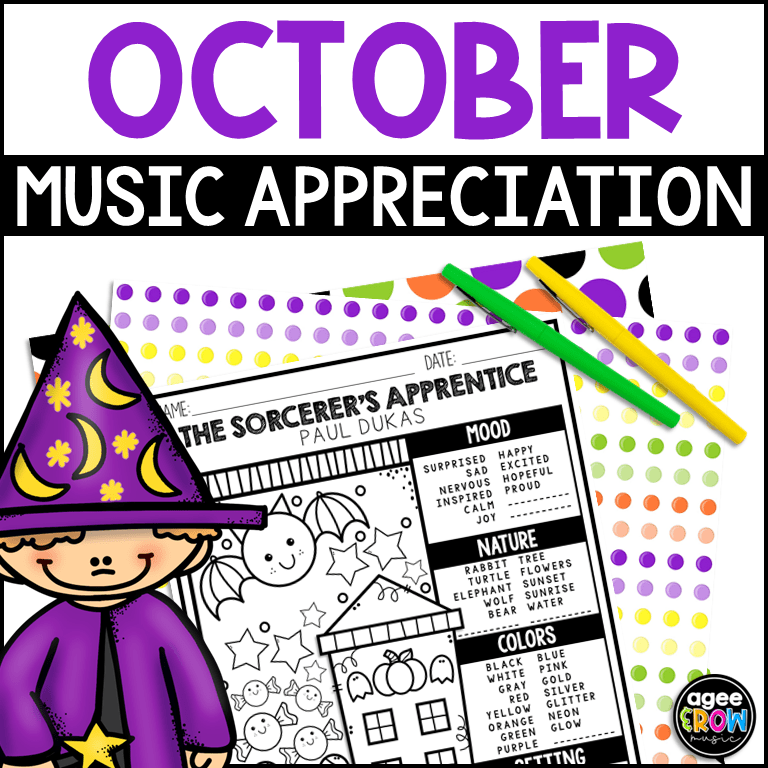
While listening, students color the scene and choose the keywords/elements that resonate with their listening experience. There are also blank lines for writing in additional keywords. Students often engage in discussions about what they’ve heard or felt. Great for displaying! (1 page)
What did we miss?
We’d love to hear about your favorite classical music and all your best teaching ideas for Halloween! Feel free to share in the comments below.

 Agee & Row