

Hello, educators! In celebration of Teacher Appreciation Week, I’m delighted to share a collection of eight new and freely available resources designed to enhance your classical music listening activities in your classroom or homeschool.
These materials aim to provide engaging and accessible ways for your students to explore the rich world of classical music. Thank you for all that you do, and I hope these resources prove to be a valuable addition to your teaching toolkit.
Most of the music featured in these resources are around five minutes, with a couple of longer pieces sprinkled in. Let’s take a look at what’s new!
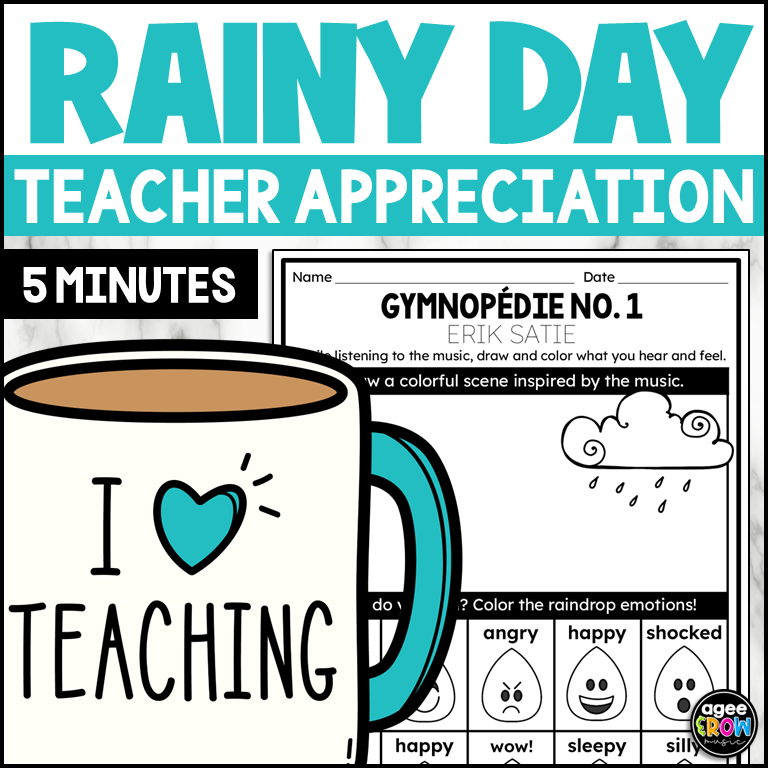
1. Gymnopédie no. 1
While listening to Erik Satie’s serene “Gymnopédie no. 1” (easily found on your favorite streaming service), students will unleash their creativity by drawing a scene inspired by the music and exploring their emotions through ten adorable, colorable characters.
This activity not only increases familiarity with the composer and this iconic piece, but also encourages social-emotional learning by connecting feelings and moods within the music. Get ready for a simple yet impactful way to enrich your students’ musical journey!
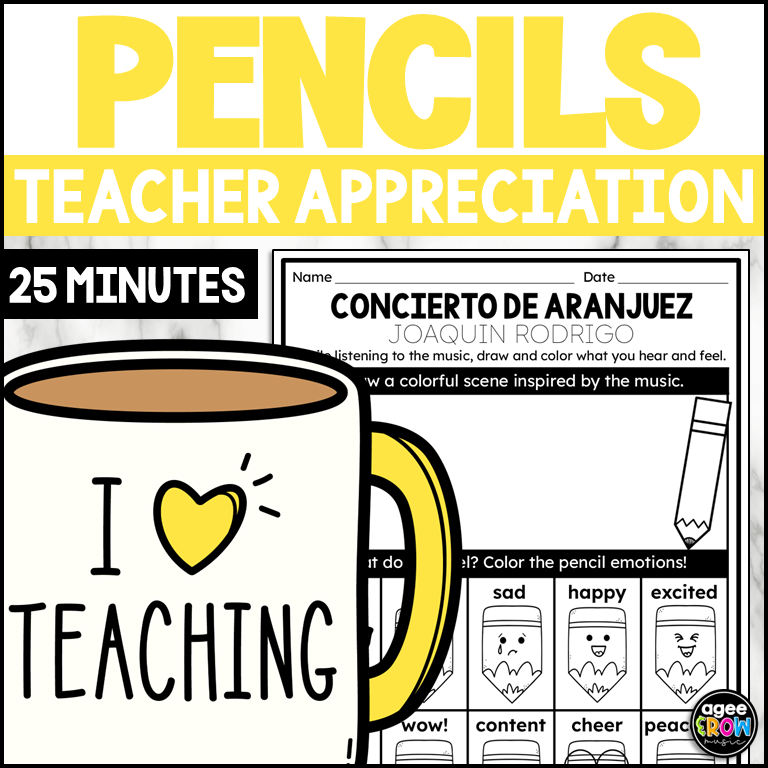
2. Concierto de Aranjuez
The “Concierto de Aranjuez” by Joaquín Rodrigo is a cornerstone of Spanish classical music and the guitar repertoire. Written in 1939, its evocative melodies transport listeners to the serene Royal Palace of Aranjuez and its lush gardens, inspiring a sense of beauty and tranquility.
The concerto’s most famous movement, the poignant Adagio, is particularly relevant for students as it beautifully explores themes of emotion and memory.
Its lyrical nature and the captivating dialogue between the solo guitar and orchestra make it an accessible and deeply moving piece for young listeners, fostering an appreciation for the power of music to convey profound feelings.
Furthermore, learning about this concerto offers insights into Spanish culture and the unique voice of the classical guitar within an orchestral setting.
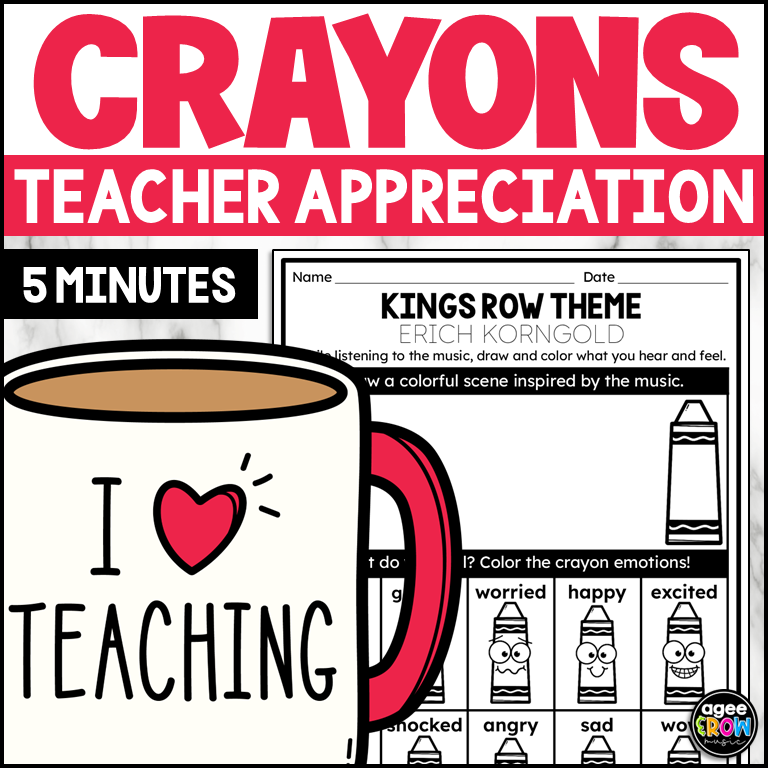
3. kings row theme
Get ready for an epic sound! The “Kings Row Theme” by Erich Wolfgang Korngold is a soaring, instantly recognizable piece of music that just oozes adventure and grandeur.
Its bold brass fanfares and sweeping melodies make it super fun for students to listen to – it’s the kind of music that sparks the imagination and makes you feel like anything is possible!
Fun fact: this very theme is said to have been a significant inspiration for a little-known film composer named John Williams when he was creating the iconic music for a certain space saga.
So, as we approach May the 4th, what better way to celebrate than by exploring the powerful origins of some truly out-of-this-world music? This piece is a fantastic way to get those imaginations soaring!
4. nocturne in e-flat major
This piece is more than just a beautiful melody; it’s a masterclass in musical storytelling! By exploring this nocturne, students can learn about the Romantic period’s focus on emotion and individual expression, as well as key musical concepts like rubato (the expressive and flexible tempo characteristic of Chopin’s style), ornamentation, and harmonic structure.
This activity will help your students connect with a work that has enchanted listeners for nearly two centuries, showing them how music can capture a mood, evoke a feeling, and tell a story without a single word.
It’s a fantastic way to broaden their musical horizons and show them the power of art to communicate profound ideas.

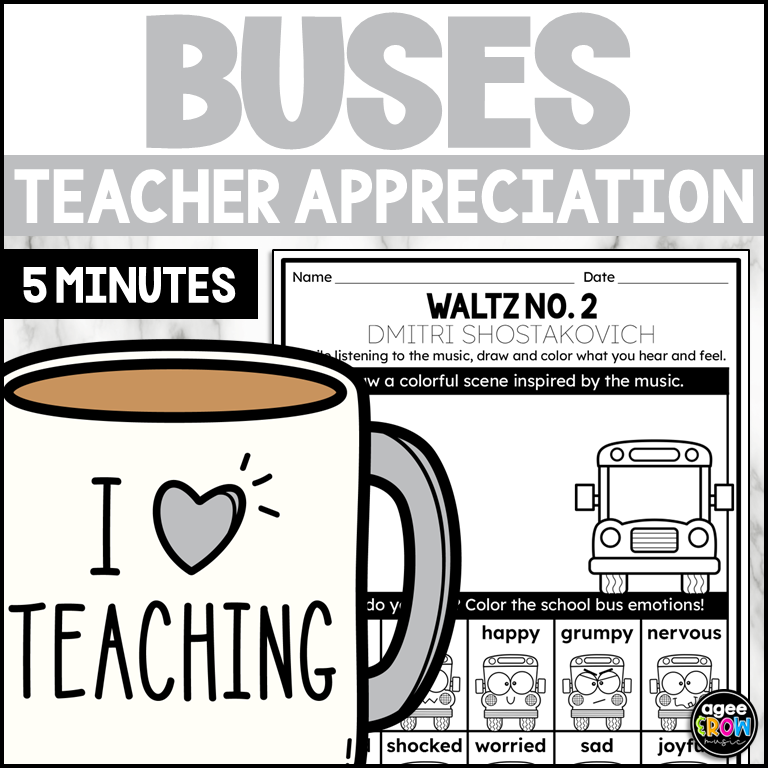
5. Waltz no. 2
Shostakovich’s Waltz No. 2 is an excellent piece to introduce students to classical music. Its haunting yet catchy melody is instantly recognizable from its widespread use in film and television, making it a gateway for students who may not be familiar with orchestral music. 🎻
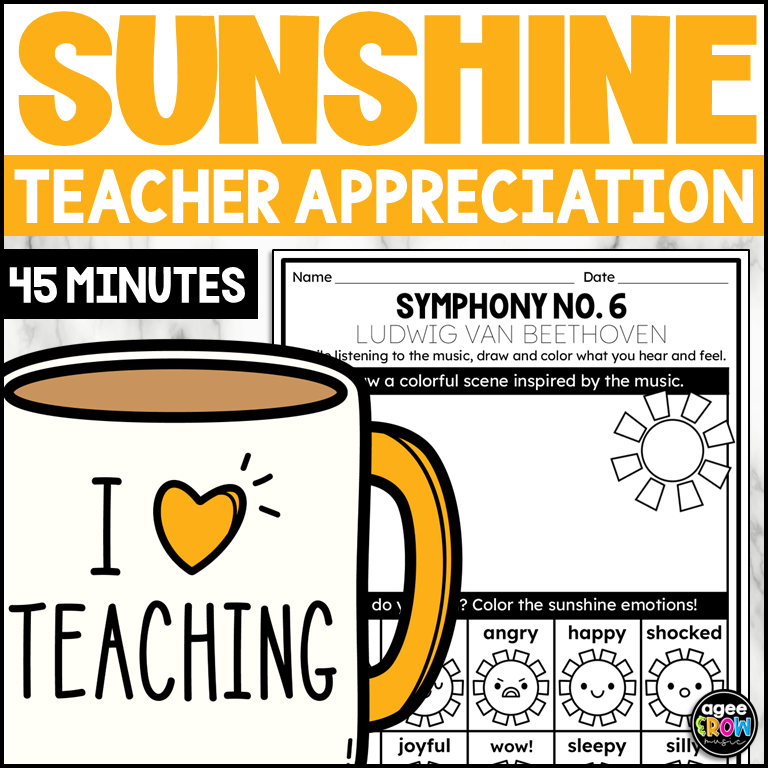
6. symphony no. 6
This piece is a fantastic way to show students that music can be so much more than just notes—it can tell a story. Beethoven himself said it was “more an expression of feeling than painting,” so it’s less about a literal sound-by-sound depiction and more about capturing the emotions of being in nature.
Your students can explore:
- The Power of Storytelling: Follow the symphony’s five movements as they journey from a peaceful stroll in the country to a dramatic thunderstorm and finally, to a joyous hymn of thanksgiving.
- Sound Effects: They’ll love listening for the musical “special effects” like the bird calls (cuckoo, nightingale, and quail) and the crashing thunder.
- Emotional Expression: Discuss how Beethoven uses different instruments, rhythms, and harmonies to create feelings of peace, joy, fear, and gratitude.
It’s an excellent piece for showing how a composer can use a full orchestra to paint vivid, emotional landscapes and transport us to another world.
7. by the still waters
This beautiful piano piece is perfect for showing students how music can paint a picture. Beach was a groundbreaking American composer, and her work is a wonderful way to introduce students to the contributions of women in music history.
“By the Still Waters” is a great piece for students to explore:
- Musical Moods: The piece’s gentle, flowing melody creates a sense of peace and tranquility, like a calm stream or a quiet lake.
- Repetitive Patterns: The piece uses repeating rhythmic and harmonic ideas to create a meditative, hypnotic quality, which is great for showing students how a composer can build an atmosphere.
- The American Voice: As one of the first successful American female composers, Amy Beach’s work is a vital part of American musical heritage.
It’s a lovely and accessible piece that can help your students connect with music on a deeper, more personal level while celebrating a truly remarkable composer.

8. sarabande
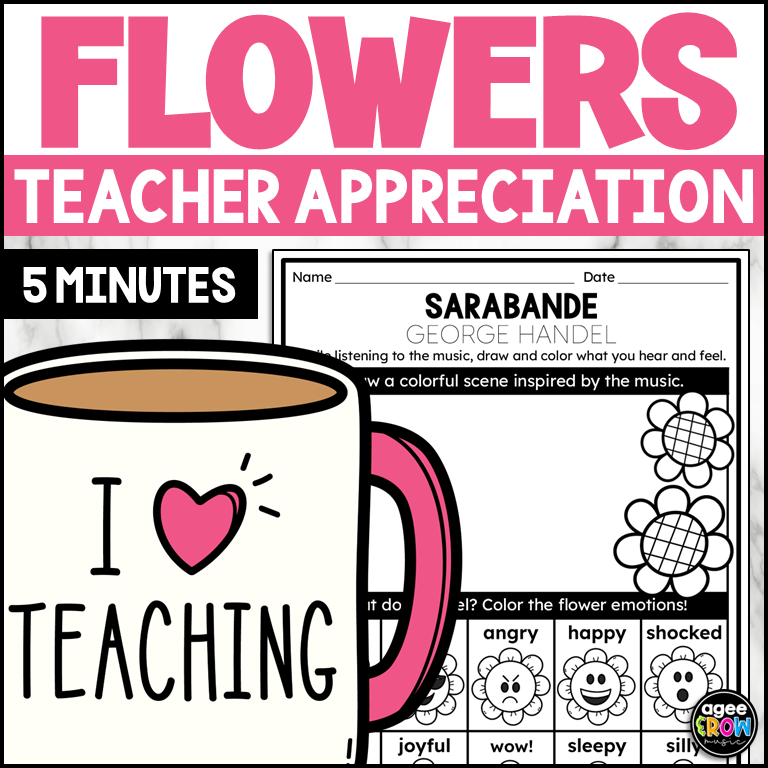
Get ready to introduce your students to a piece of music that is both simple and powerful: Handel’s “Sarabande” from his Keyboard Suite in D Minor. This famous melody is perfect for teaching your students that music doesn’t have to be complicated to be incredibly moving.
As they listen to this piece, students can explore:
- The Power of Slow Music: Discuss how the slow, steady rhythm and beautiful melody can create a calm and thoughtful mood.
- Musical Moods: This piece is a great example of how a song can sound a little bit sad and serious, but also very beautiful at the same time.
- Baroque Beauty: It’s a perfect introduction to the style of music from the Baroque period, showing how composers used a few simple ideas to create something truly elegant and timeless.
It’s a memorable piece that will show your students how music can create a powerful atmosphere with just a few notes!
Hopefully these freebies provide a fun and engaging way to bring the power of classical music into your classroom. Thank you again for your incredible dedication and passion for teaching. You’re making a difference every day!
Here’s to a week of well-deserved recognition and a year filled with beautiful music. Happy Teacher Appreciation Week! 🎶
 Agee & Row
Leave a comment